
Over the past year, A2L refrigerants have moved from “what’s coming” to “what we’re installing every day.” Lower GWP, mild flammability, new codes—none of that caught us off guard. We trained up, changed our procedures, and started putting in the required leak detection systems and ventilation controls.
What has caught many of us off guard is something less obvious: nuisance alarms from A2L refrigerant sensors triggered by VOCs and everyday chemicals.
If you’re a facility manager or engineer dealing with this, you’re not alone.
VOCs, also known as Volatile Organic Compounds are not uncommon.
-
Cleaning or sanitizing products
- Floor adhesives and sealants
-
Aerosols such as air fresheners
- Fresh paint and wood stain
- Warehousing environments with solvents or off-gassing materials
In offices using cleaning chemicals regularly, such as medical or dental offices, or recently renovated spaces, these VOCs can be in higher concentrations and can linger for weeks. Since the A2L Sensor shuts down the HVAC unit, this could mean big discomfort for your patients and/or occupants/tenants in newly renovated spaces.
Why This Happens (In Plain Terms)
Most A2L refrigerant sensors used in commercial systems rely on semiconductor or infrared detection technologies.
Here’s the catch:
- VOCs (volatile organic compounds)—like alcohols, ketones, and hydrocarbons—can interact with some sensors in ways that mimic refrigerant presence
- Certain chemicals used in cleaning products or construction materials are chemically “similar enough” to trigger a response
- Sensors are calibrated for safety sensitivity, not perfect selectivity
In other words: they’re designed to err on the side of caution.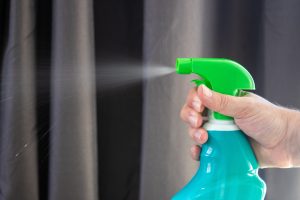
From a code and liability standpoint, that makes sense. From an operations standpoint, it can be frustrating.
What Can Building Owners Do To Minimize the Impact?
- Know the location of your A2L sensor and limit VOC exposure in that area.
- If you need to use VOC producing cleaners/products. Ventilate.
- If nuisance trips continue occur with no active A2L leak, consider moving and/or replacing your sensor.
Ventilation is the most effective method to eliminate false alarms. VOCs can cause irritation to mucus membranes, headaches, dizziness, nausea or worse. Ventilating the space using exhaust fans, opening windows, using fans, etc. should already be common practice.
The Diagnostic Protocol for HVAC Technicians – Bad Sensor or Interference?
- Check with a handheld leak detector. If the portable reads zero and the system sensor shows alarm, you’re likely dealing with environmental interference.
-
Question the Customer. Ask the building owner about cleaning chemicals used, or any recent renovations such as paint or new flooring.
- Ventilate and test again. Open windows, run exhaust fans for 30 minutes, then verify if the alarm clears.
- Document everything. Take a photo of the sensor reading, note any smells and general environmental conditions, and record your handheld detector results.
It should also be noted that there have been some bad or overly sensitive sensor batches. Manufacturers have already released newer improved sensor versions. As we move forward, I am hopeful we will see better, more accurate sensors to eliminate false positives.
Summary
If your A2L system is throwing alarms and your first instinct is “something’s broken,” it might be worth asking a different question:
“What changed in the environment?”
Because more often than not, that’s where the answer is. In real-world environments—like buildings with cleaning chemicals, construction materials, or warehouse goods—these sensors can misinterpret airborne compounds as refrigerant, leading to unnecessary alarms, system disruptions, and service calls.
The root cause is that many sensors are highly sensitive but not perfectly selective, meaning they can react to substances chemically similar to refrigerants. This puts contractors in the position of troubleshooting environmental factors rather than mechanical failures.
Key takeaways:
- Sensor placement is critical to minimize nuisance alarms
- Different sensor technologies vary in resistance to VOC interference and they are improving all the time
- Facility teams need awareness and training on how everyday activities impact sensors
Though it is important to properly diagnose a true refrigerant leak from a false alarm, it is important to note that the issue is usually not faulty HVAC equipment or poor installs —it’s the interaction between sensitive safety systems and real-world building conditions. Better coordination between design, installation, and operations is essential to reduce false alarms and improve system reliability.
Need Help Troubleshooting A2L Sensor Issues?
If you’re dealing with A2L refrigerant sensor false alarms, VOC interference, or HVAC shutdowns, we can help you diagnose the issue and prevent repeat problems.
Contact us today to get your system back to reliable operation.